HOA painting contracts get won during the spec, not during the bid. A committee walks the property, argues about colors, and writes a document describing the exact painter they want. By the time that document turns into an RFP and hits your inbox, your only remaining move is a number. If the spec doesn't sound like your company, you're there to make somebody else's price look reasonable.
I've watched a lot of painters treat community work like a mailbox game. Get on a list. Wait for the email. Drop a price. Lose. Repeat. Then they decide association work is a race to the bottom and go back to selling repaints one driveway at a time.
It isn't a race to the bottom. It's a race that started about two years ago, and nobody told you when the gun went off.
The spec sheet gets written in a room you weren't in
Every association repaint starts as a document. Somebody writes down the surfaces, the prep sequence, the coating system, the warranty term, the insurance minimums, the phasing by building. That page is the spec, and it decides the winner before anyone quotes a dollar.
Here's the mechanic I keep running into. A board writing a spec with no help produces one line: repaint the buildings. Five painters read that five different ways, so the board ends up with five numbers and nothing else to compare. They pick the small one. They had nothing else to go on.
A detailed spec does the opposite. Two coats of a named system. Pressure wash, scrape, caulk, spot prime. Five-year warranty on labor. Crew on site by 7 a.m., no spraying on Saturdays. Now price is one column out of eight, and the lowest bidder has to explain what he left out.
CAI tells boards this straight: make your specifications detailed so the bidding is fair, and hire a professional to write them if nobody on the board can. Somebody is going to be that voice in the room. My whole argument is that it should be you, months before the RFP exists.
How HOA painting contracts actually get scheduled
Community repaints aren't emergencies. They're line items on a funding schedule that got published years in advance. That's the good part. A public schedule is a schedule you can read.
Most communities repaint on a 7 to 10 year cycle, and the reserve study sets that clock. CAI rewrote its reserve study standards to fold preventive maintenance into the plan, which means more boards are looking further ahead than they used to. In Florida it's not even discretionary. State law names waterproofing and exterior painting as a required component of the structural integrity reserve study, redone at least every ten years for buildings three stories and up.
Look at where the RFP sits. Dead last. Everything that shaped the job happened while your name wasn't on anybody's list.
Four people decide, and the one who answers isn't the one who votes
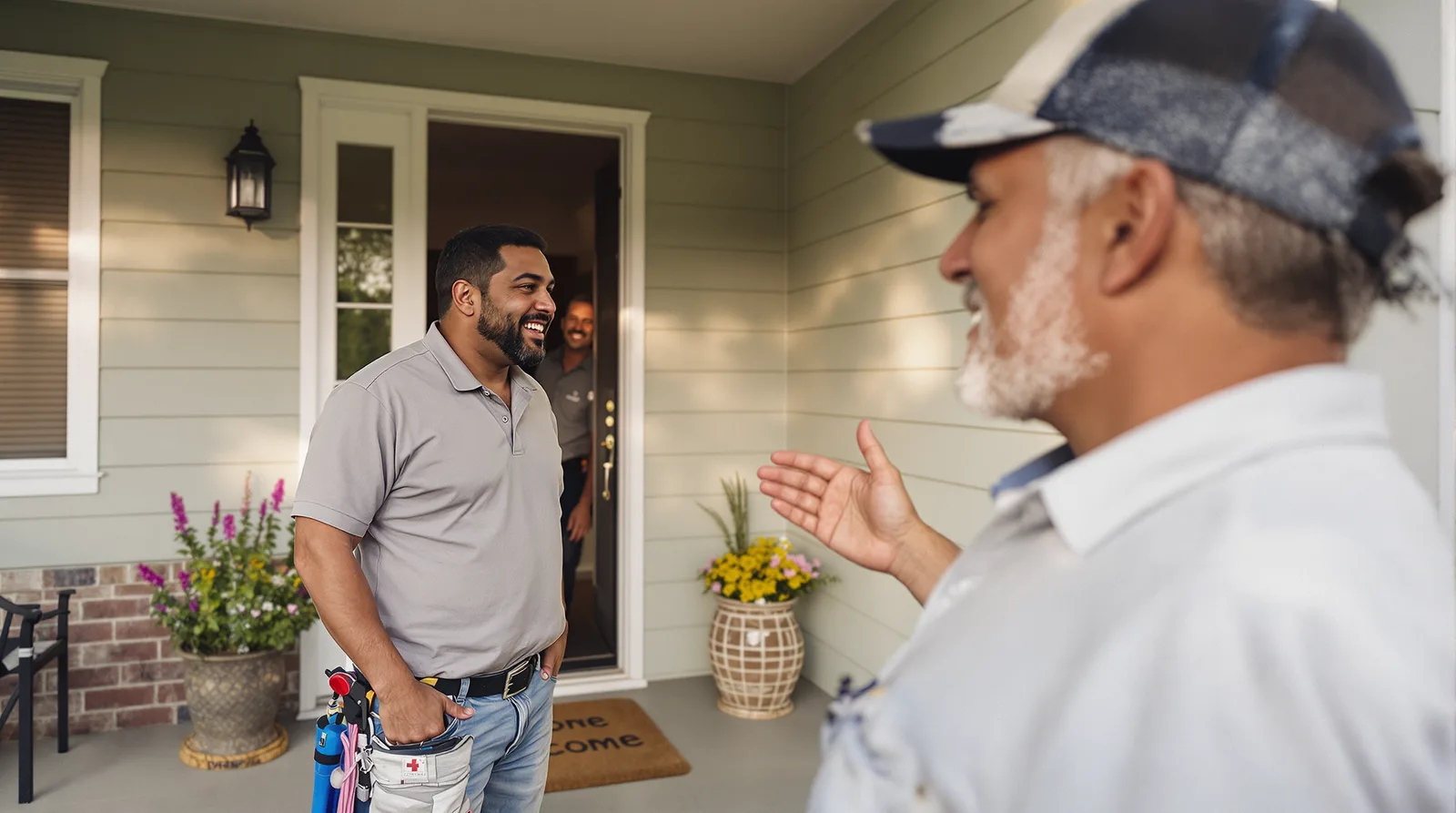
Residential is one buyer standing in a hallway. Association work is a committee, and each seat wants a different thing. I've seen painters lose a repaint they'd already sold to the board because nobody ever talked to the on-site manager, who then said one sentence at the wrong meeting.
| Who | What they actually care about | How you get to them |
|---|---|---|
| Board president | Passing the budget vote without an assessment fight | Cost per year over the cycle, not a lump sum |
| Maintenance committee | Which buildings go first, and what the colors look like | Walk the property with them, bring drawdowns |
| On-site manager | Parking, noise, dogs, and complaint calls | A written phasing plan and one phone number |
| Management company | Insurance limits, W-9, license, references | Get on the approved vendor list first |
| Reserve or paint consultant | That the spec gets followed exactly | Know the product data sheets cold |
I count zero prices in that table. Price is the tiebreaker after everybody in the room already believes you can do the work without generating email.
Cold bidding versus getting written into the spec
One of five, and price is the only lever
Five painters read the same vague page. Nobody can tell your prep from anyone else's, so the board compares the one thing that's comparable. Every round you sharpen the pencil a little more.
A short list, and the scope fits your crew
You walked the property, flagged the two elevations that failed early, and the language got written around how you actually work. Now the lowest bid has to explain the gaps.
Is the second path slower? Way slower. It's twelve to eighteen months of showing up for a job that pays once. I'd still take it over five painters sanding each other's margins off a page nobody wrote carefully.
Getting on the list before the list exists
None of this requires a golf membership or a cousin on the board. It requires being useful while there's still nothing to bid on. Here's the sequence I'd run.
- Read the money. Reserve schedules, annual budgets, and meeting minutes go out to owners, and plenty of communities post them. The repaint year is sitting right there in a line item.
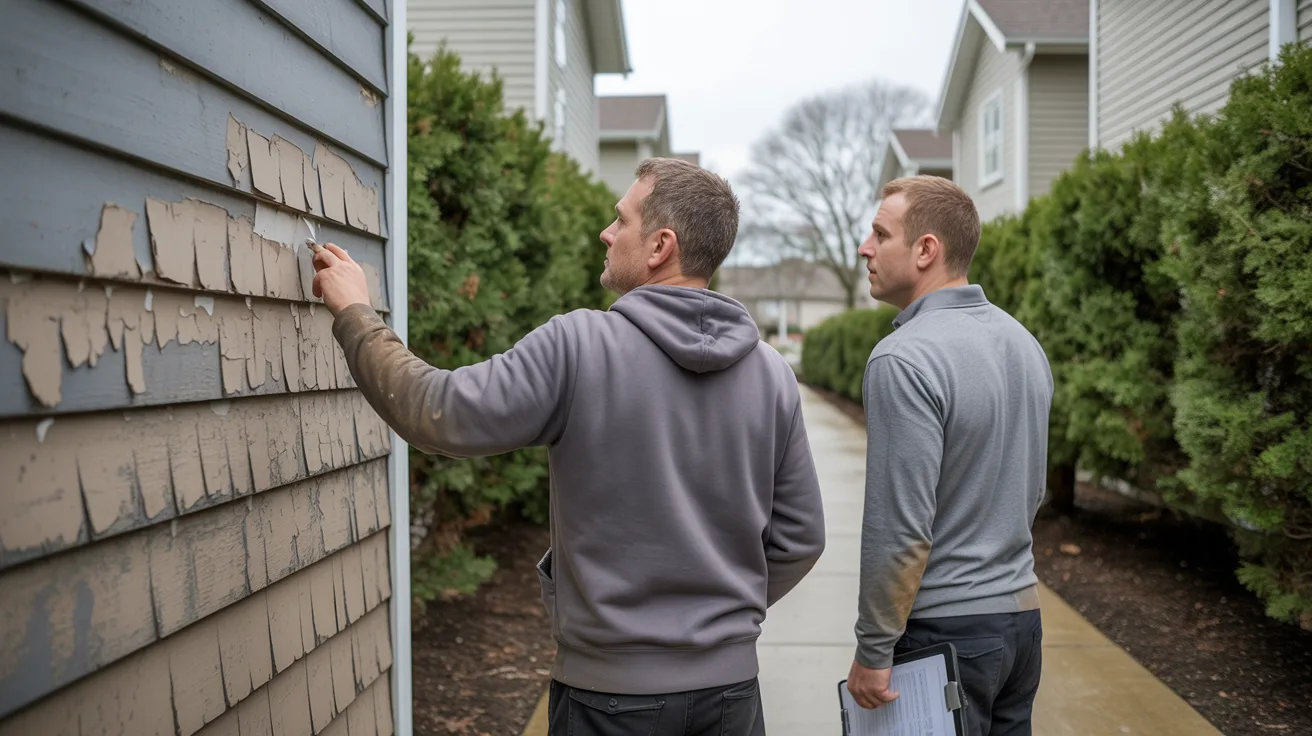
- Offer a condition walk, not a bid. Two hours, a written report with photos, no price attached. Failing sealant, chalked south elevations, the trim somebody never primed. You just became a source instead of a vendor.
- Get vendor-approved before you need it. Certificate of insurance, W-9, license, three association references. Management companies keep a list, and the RFP goes to that list. Ask what their limits are, then meet them.
- Bid the small stuff first. A clubhouse, a pool fence, a mailbox kiosk, a stairwell. Small jobs don't go out for competitive bid, and they're the lowest-cost audition you'll ever get.
- Write the spec language for them. Hand the committee a scope template with the prep steps and warranty terms spelled out. Most boards are relieved. Some of it survives into the real document.
- Show up to one meeting a quarter. Not to pitch. To answer the color question nobody else can answer.
Every one of those moves is boring. All of them happen before there's a job on the table. That's exactly why I see so few painters do them, and why the ones who do stop competing on price.
One manager is worth more than one community
This is the part I think painters underprice. You're not chasing a repaint. You're chasing a calendar that reissues itself, held by a person who holds several more.
Scale that up and the pool is enormous. The Foundation for Community Association Research counts roughly 373,000 community associations housing nearly 80 million Americans, about a third of the country's housing stock. Every one of them has painted surfaces and a funding schedule. Yours is the handful within a twenty-minute drive of your shop.
Be findable the week the manager finally searches
Relationships open the door. Search decides who gets a shot at the door in the first place. When a property manager inherits a community with a repaint due, the first thing they do is look up HOA painting contractors in their city, and whoever owns that result gets the walk-through.
So both halves have to work. Show up in the search, then answer fast enough to matter. A manager juggling ten properties calls two painters and books whoever picks up, which is the same reason the first company to answer wins the job in every trade I've measured. I've also never seen an association hire a painter whose reviews looked abandoned, so a real review system earns its keep here more than anywhere.
And bidding this work doesn't mean abandoning the rest of the business. Association repaints are lumpy and slow to close, so I want them stacked next to faster-turning residential lines like cabinet refinishing, plus the everyday demand covered in the painting marketing playbook. Community work should be the anchor in your schedule, not the whole rope.
The 60-second version: HOA painting contracts run on a public clock. The reserve study names the year, a committee walks the property about fourteen months out, and the spec gets written months before the RFP goes anywhere. Be useful during that window and the scope gets written around how you work. Show up at the RFP and you're one of five prices.
Owning the demand is the same idea, one layer up. Your rankings, your reviews, your booking system, so managers and board members find you in your market instead of you finding out about a bid three months late. That's the engine we build, and the painting version of it lives on the painting page, with the build itself walked through on how it works. If you want to know whether your territory's open, our team can cover it in 15 minutes.
In the meantime, go pull one community's budget documents. The repaint year is in there. That's your start time.
Stop renting your growth. Own it.
We build the whole engine and run it for you, with nothing held hostage. One company per trade, per market.
Book a Discovery Call →